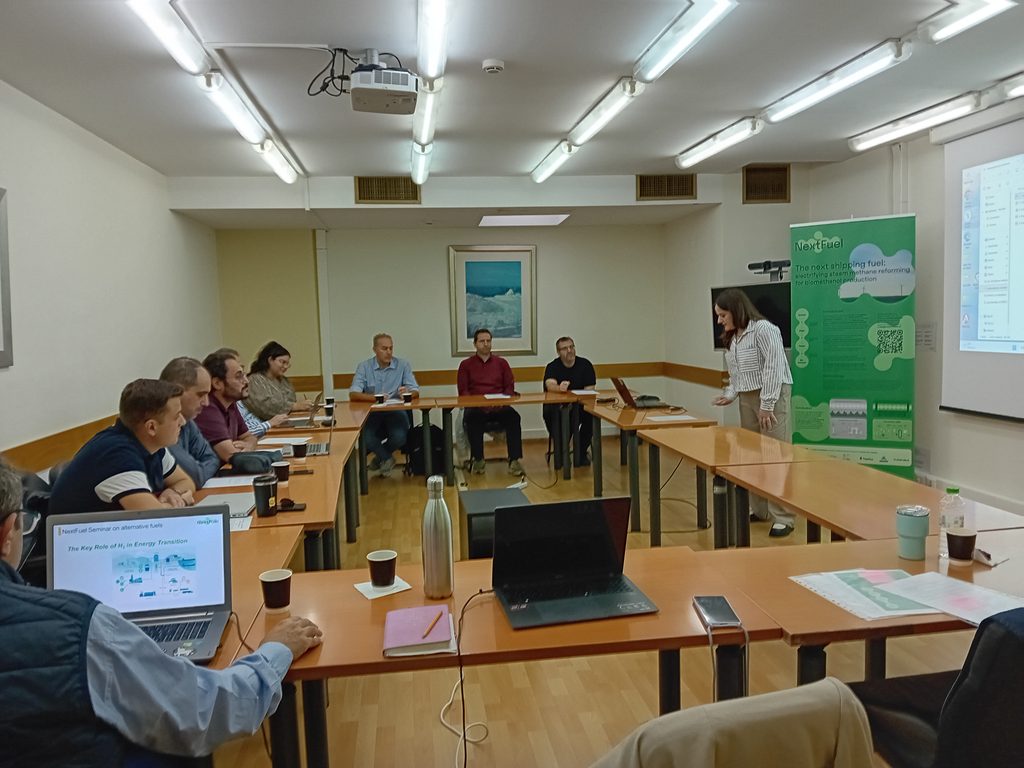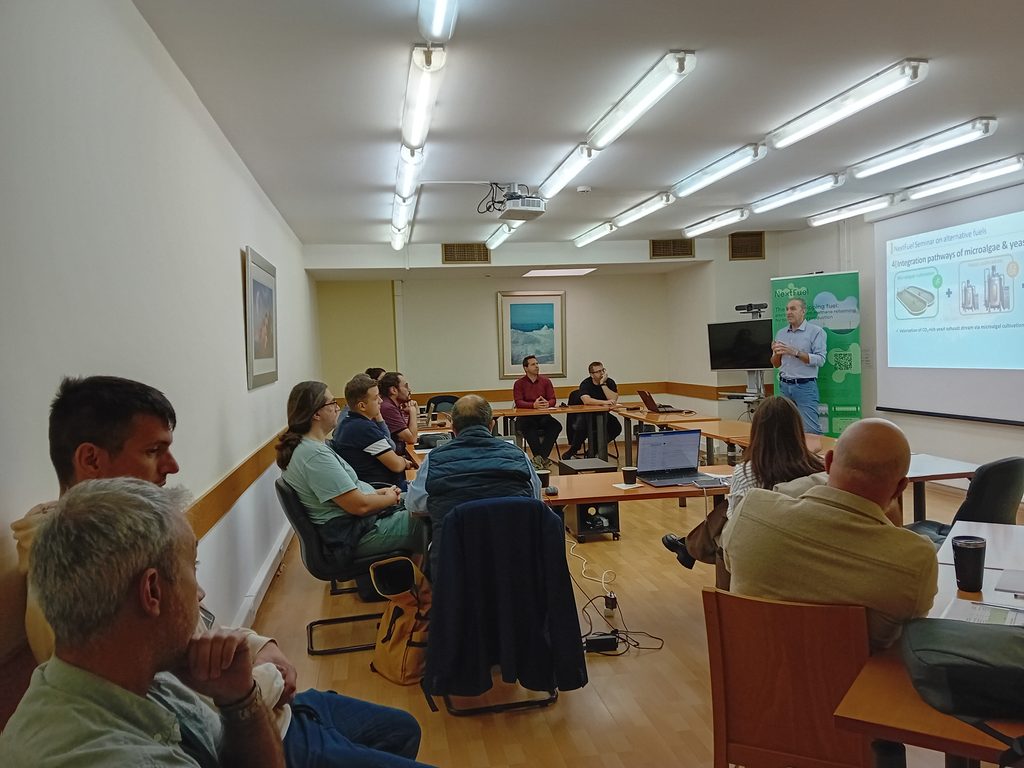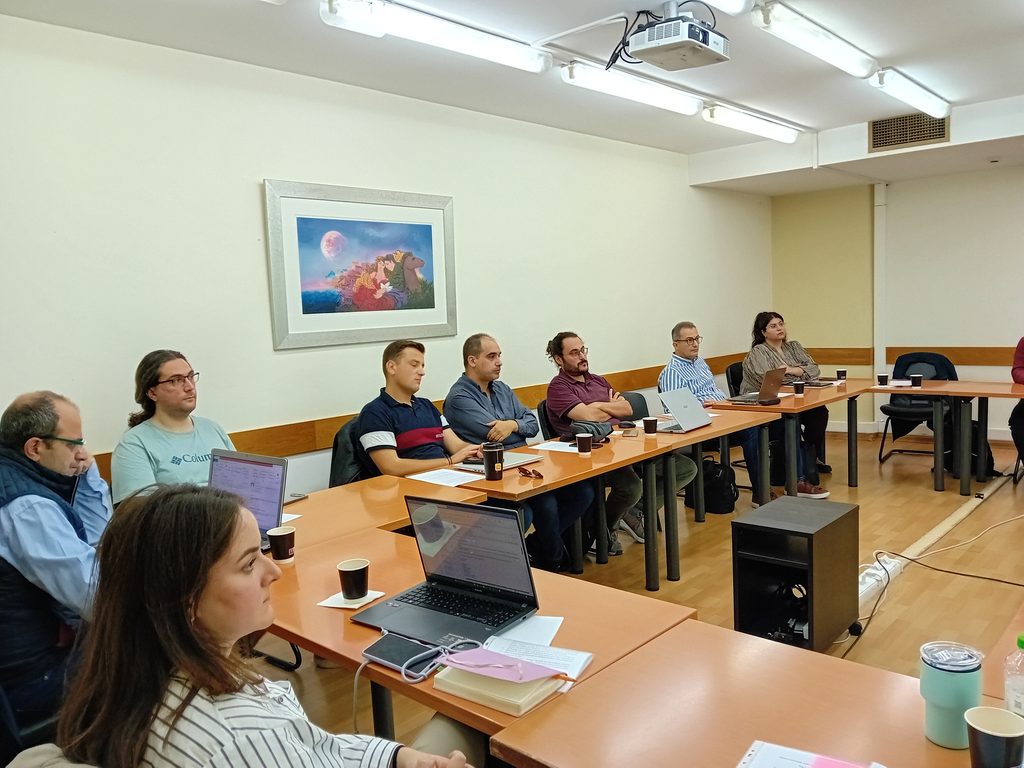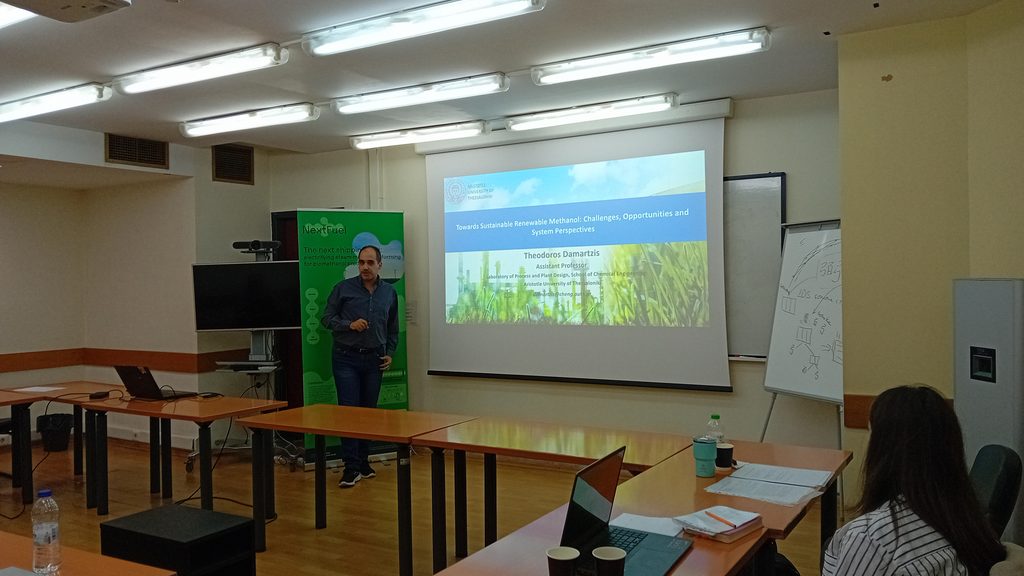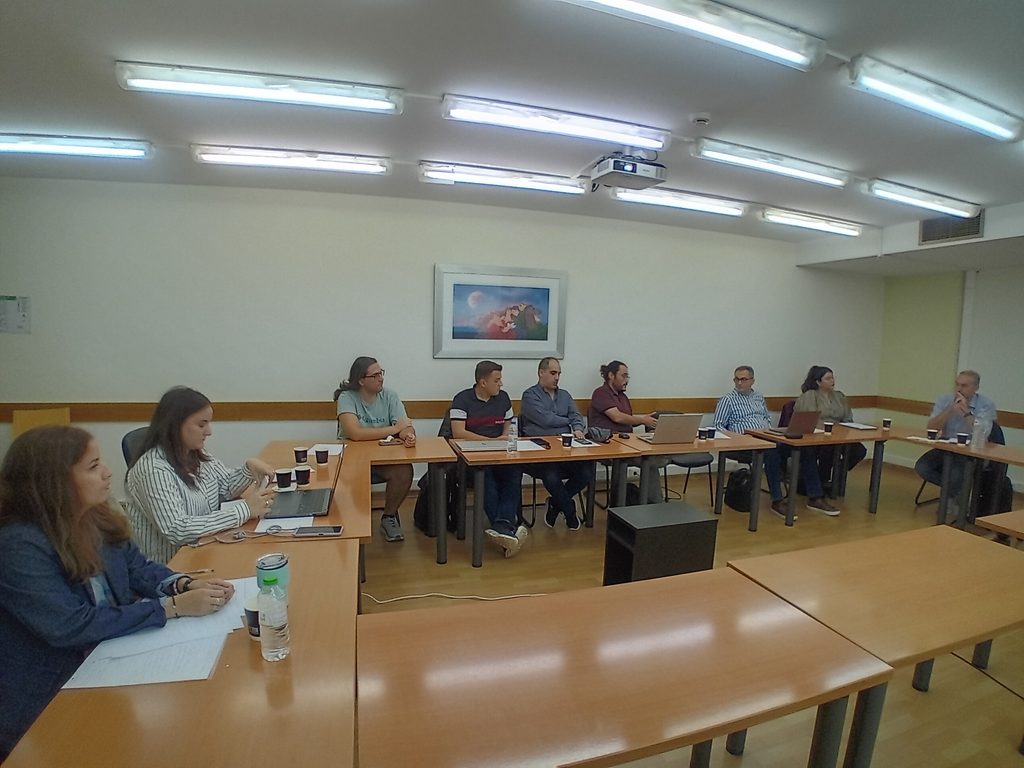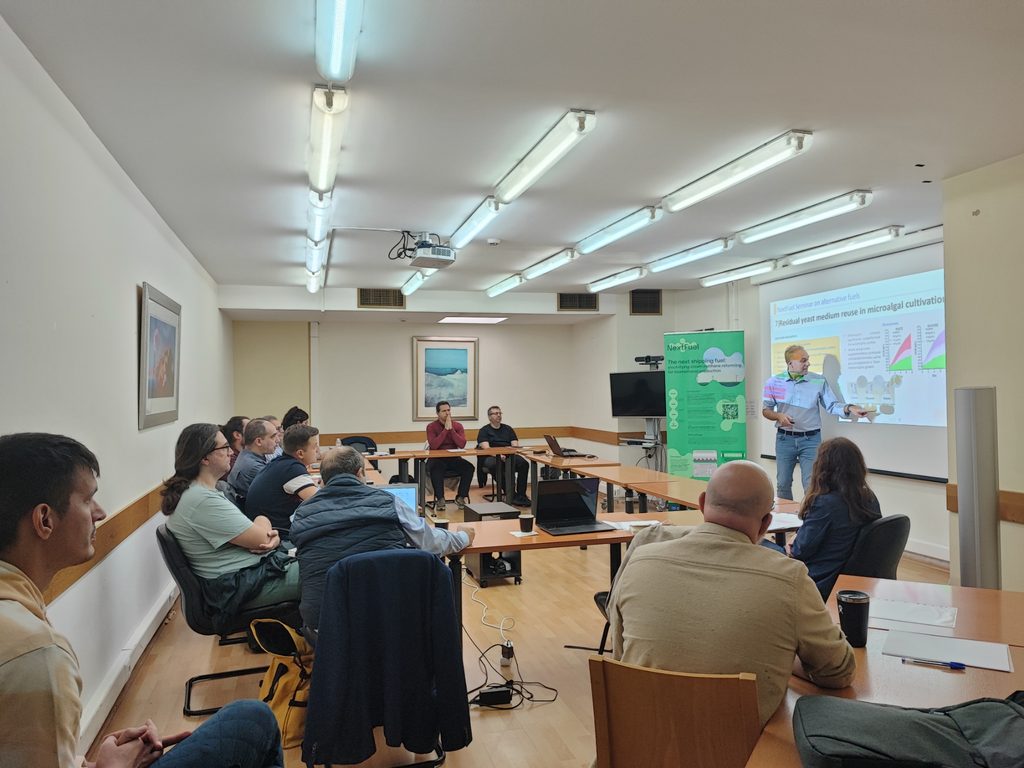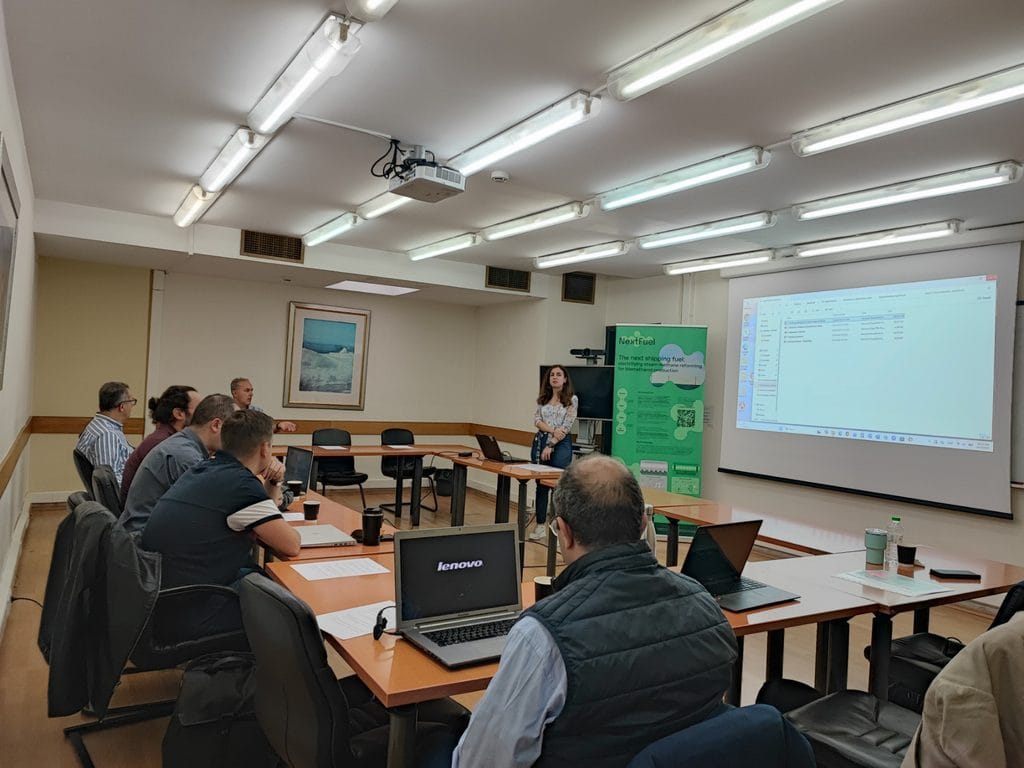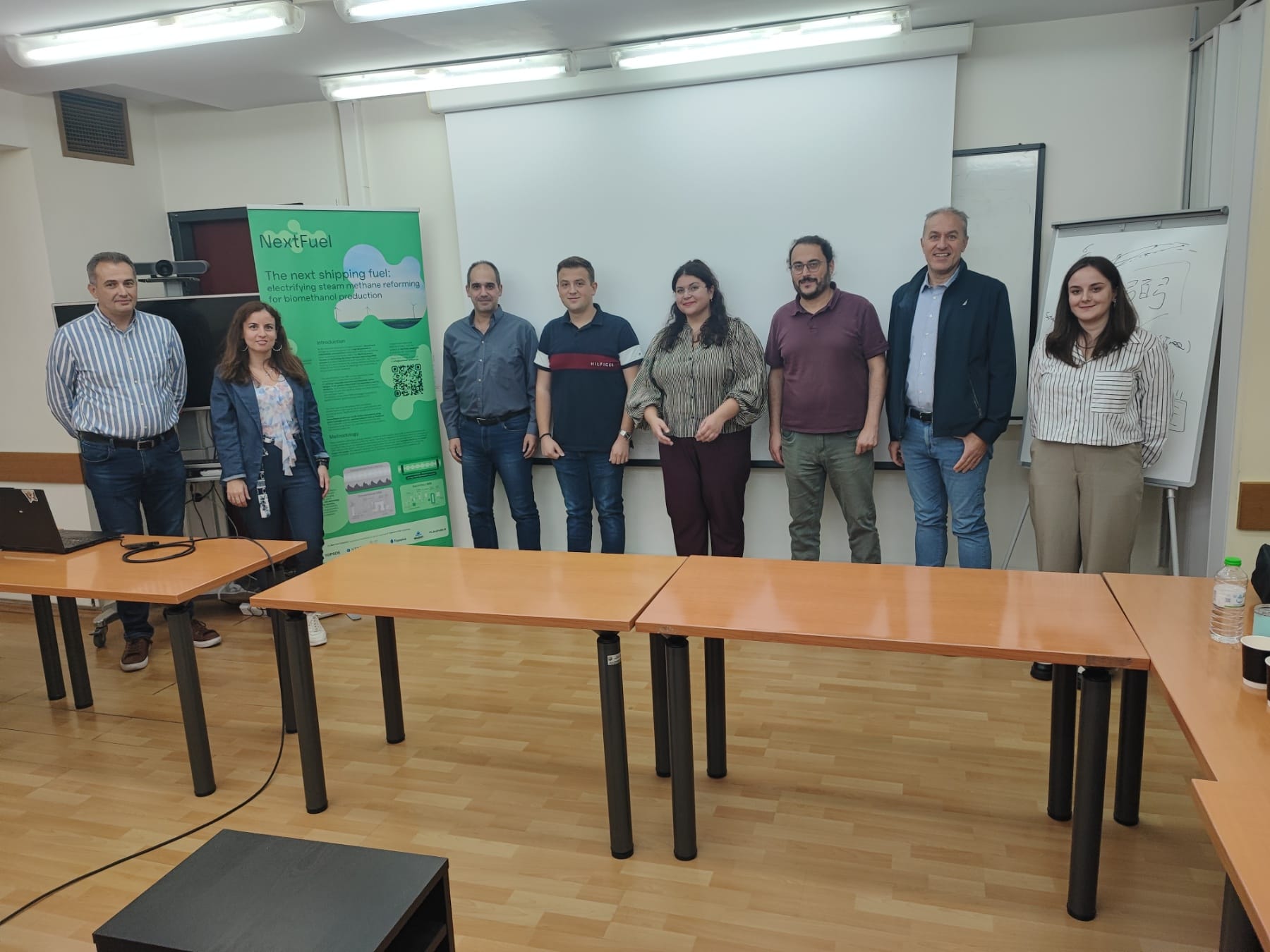
The NextFuel Seminar on Alternative Fuels was successfully held on 9 October 2026 at the Centre for Research and Technology Hellas (CERTH), bringing together scientific expertise to explore technologies supporting the transition towards more sustainable fuels.
Organised by CERTH’s Hellenic Institute of Transport (HIT) on behalf of NextFuel, with contributions from researchers at the Aristotle University of Thessaloniki, the seminar provided a platform for sharing research perspectives across several complementary fields.
The programme covered:
- Integrated microalgae–yeast systems for near-zero-waste lipid production.
- Ammonia’s role in the hydrogen economy.
- Electrochemical approaches to industrial electrification.
- Challenges, opportunities and system perspectives in renewable methanol production.
- Sustainable local e-methanol value chains in Mediterranean ports through the POSEIDON project.
Moderated by Dr Maria-Anna Charitopoulou and Dr Maria Tournaviti, the seminar concluded with an open discussion and Q&A, offering participants an opportunity to exchange views and explore the topics further.
NextFuel thanks the speakers, organisers and participants for their contributions to this exchange of knowledge on alternative fuels and sustainable energy solutions.
This project has received funding from the European Union’s Horizon Europe research and innovation program under grant agreement No. 101136225.